Water Damage Restoration in Mount Vernon, WA
Local Water Damage Restoration Expertise
In the Skagit Valley near downtown Mount Vernon, water intrusion is a persistent challenge. Whether it's basement flooding from river overflow, crawlspace saturation, or storm water seeping into finished spaces, the landscape and climate here demand fast, skilled response. We provide water damage restoration service in Mount Vernon, WA that starts immediately when water enters your home or business—addressing moisture extraction, structural drying, and mold prevention before damage spreads.
This page walks you through what happens when water strikes, how trained crews tackle extraction and drying, why location matters in our valley, and how to reach us when every minute counts.
How We Work
A structured, transparent process from arrival to dry-out completion.
Our Process: Six Key Steps
Water extraction and structural drying require precision. Each phase builds on the last—assessment informs extraction strategy, extraction enables drying, and drying prevents secondary damage.
Water Assessment
We inspect affected areas, identify the water source, and determine whether it's clean water, gray water, or contaminated. We also check for hidden moisture in walls and subfloors.
Water Extraction
Large-capacity pumps and truck-mounted extraction equipment remove standing water from crawlspaces, basements, and finished areas. We also extract water from within framing and subfloors.
Dehumidification & Drying
High-capacity dehumidifiers and air movers are positioned throughout the structure. Moisture readings guide placement and scheduling to prevent mold growth in the Skagit Valley's humid climate.
Cleaning & Sanitization
Affected surfaces are cleaned and treated with antimicrobial agents to inhibit mold and bacterial growth. Contaminated materials are removed and disposed of per local codes.
Moisture Verification
We use moisture meters to confirm that walls, subfloors, and structural materials have reached acceptable dryness levels. Documentation is provided for insurance and restoration work.
Final Inspection & Handoff
We walk through the space with you, confirm all moisture is gone, and hand off a detailed report. Your space is ready for reconstruction or occupancy.
You'll always know what's happening next—and when.
Our Services
Water damage, sewage backup, and flood cleanup tailored to Mount Vernon homes and businesses.
Water Extraction & Drying
Basement flooding and crawlspace water is common in west Mount Vernon and low-lying neighborhoods near the Skagit River. We deploy industrial-grade extraction equipment and dehumidifiers to pull moisture out of walls, concrete slabs, and subfloors.
- Truck-mounted extraction removes standing water quickly
- Structural drying prevents rot and mold in framing
- Crawlspace services restore ventilation and prevent future moisture
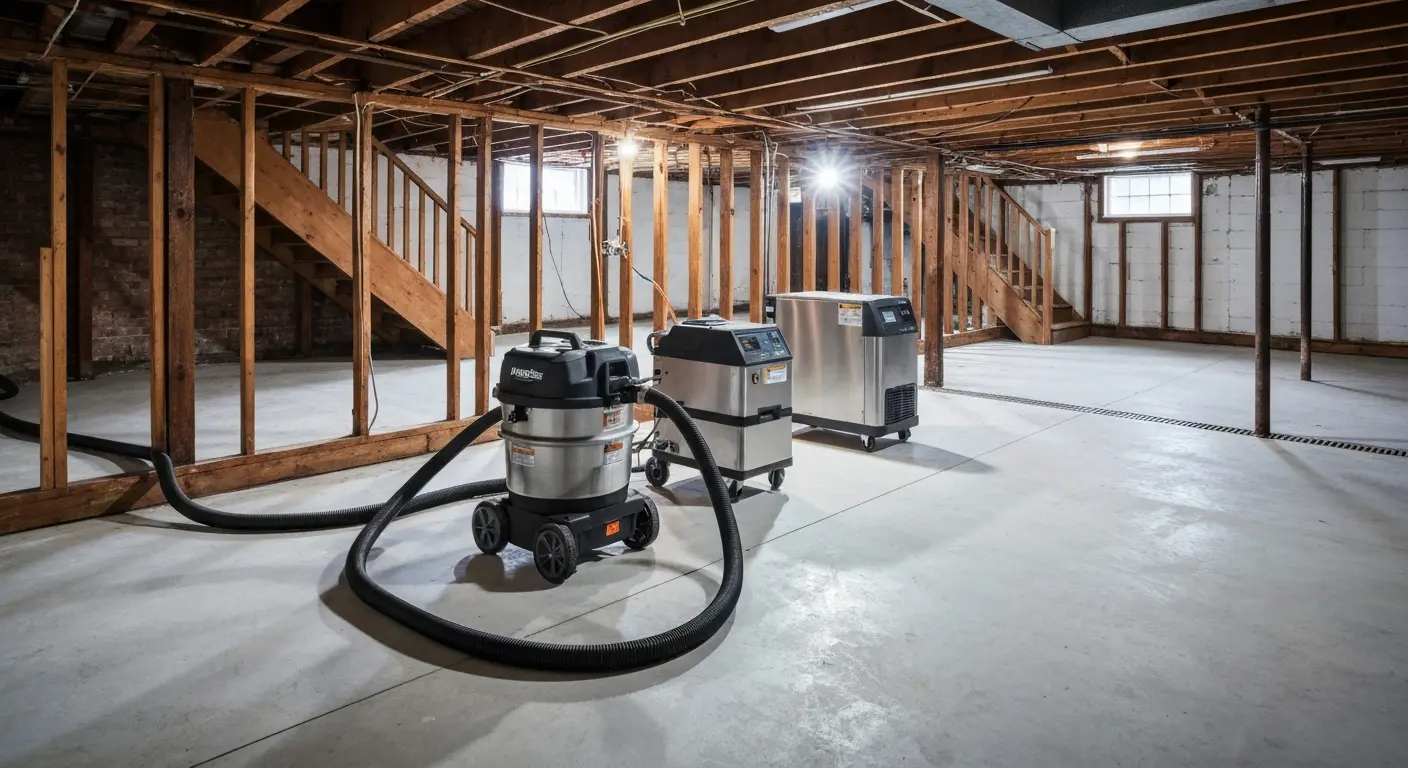
Professional water extraction equipment at a downtown Mount Vernon home
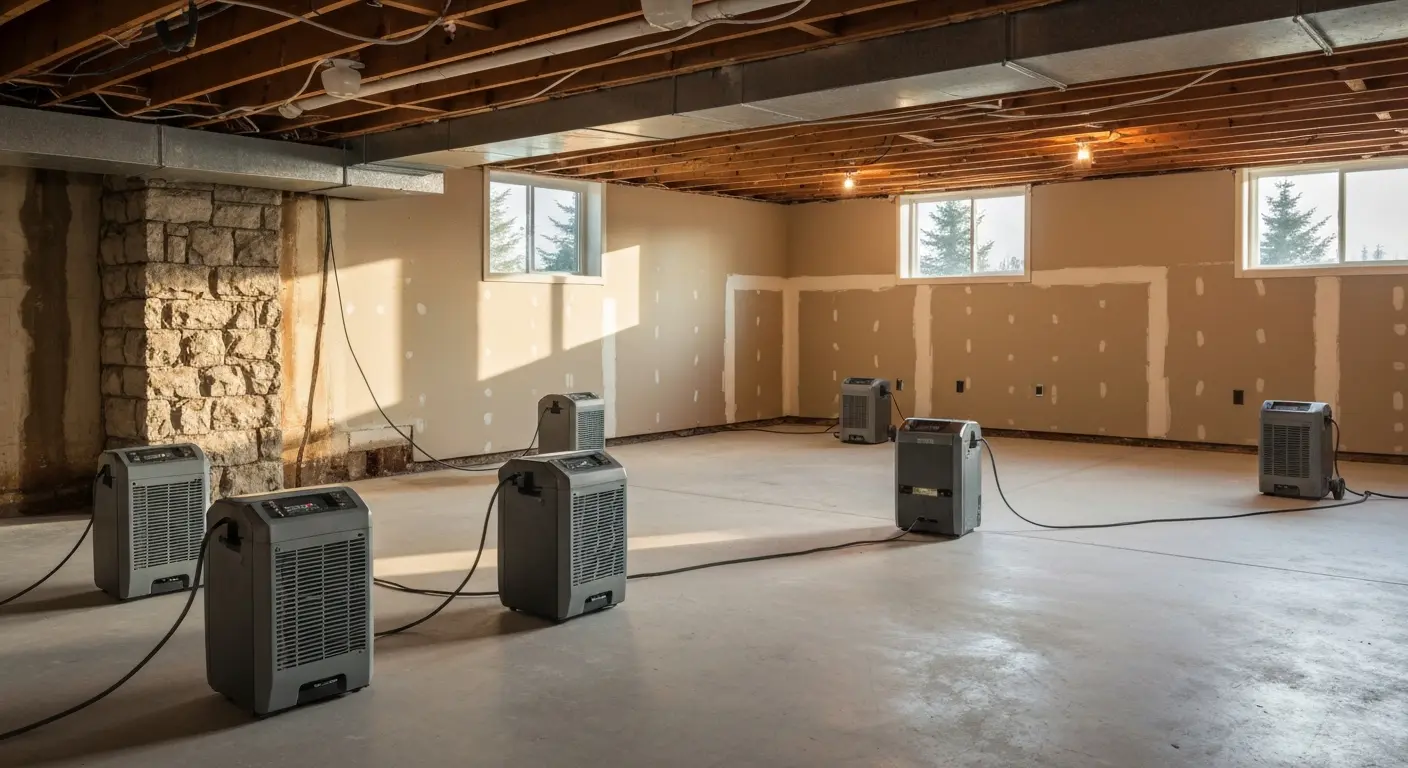
Air movers and dehumidifiers working together in Mount Vernon basement
Sewage & Contaminated Water Cleanup
Backups and overflows in basements demand immediate attention and specialized handling. We follow strict protocols for contaminated water, including proper disposal and antimicrobial treatment to prevent health hazards.
- Sewage extraction and containment
- Hazmat protocols protect your family
- Surface sanitization and odor removal
Flood Damage & Cleanup
When the Skagit River rises, properties in the floodplain face debris, sediment, and contaminated water. We clear affected spaces, remove damaged materials, and assess what can be salvaged versus replaced.
- Debris removal and disposal coordination
- Sediment cleaning on floors and surfaces
- Recovery assessment for insurance documentation
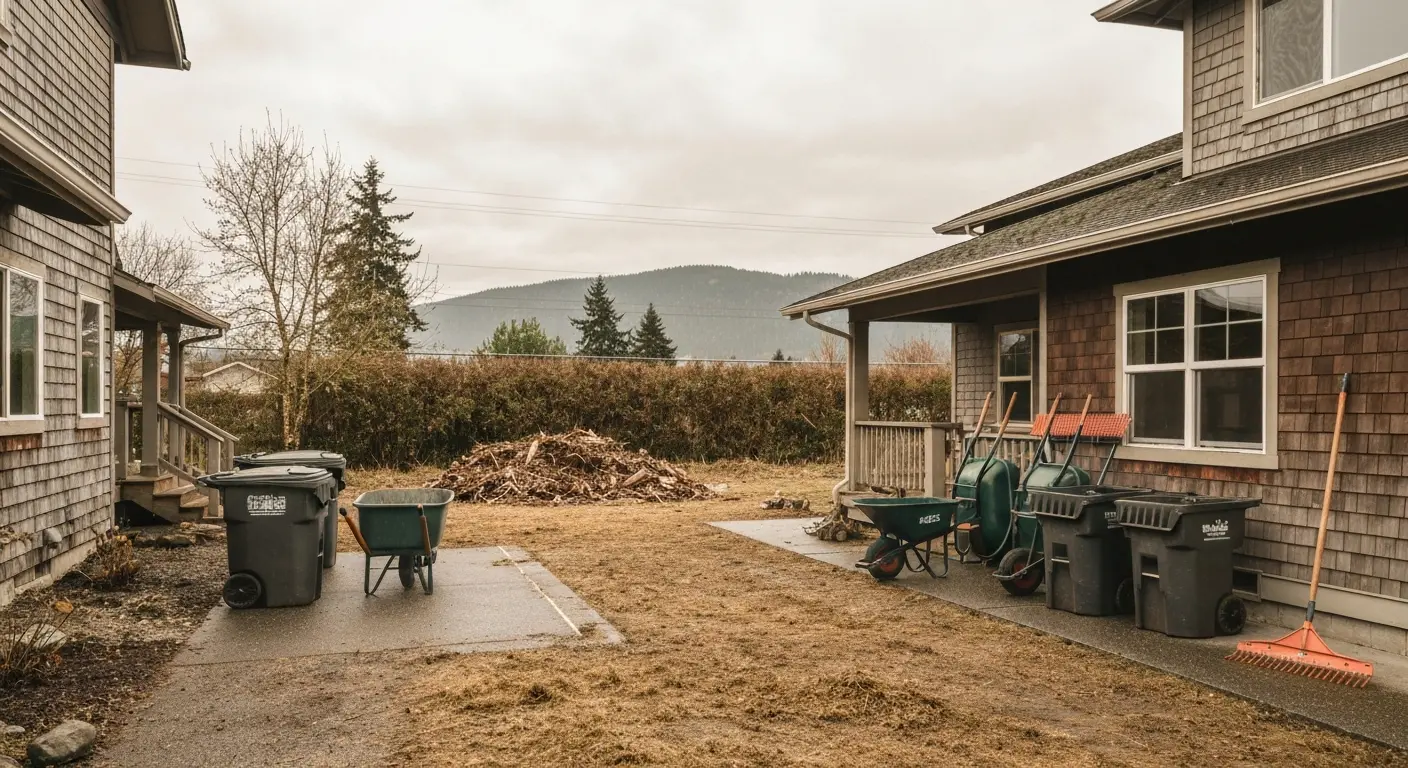
Cleanup after Skagit River flood event at a Skagit Valley property
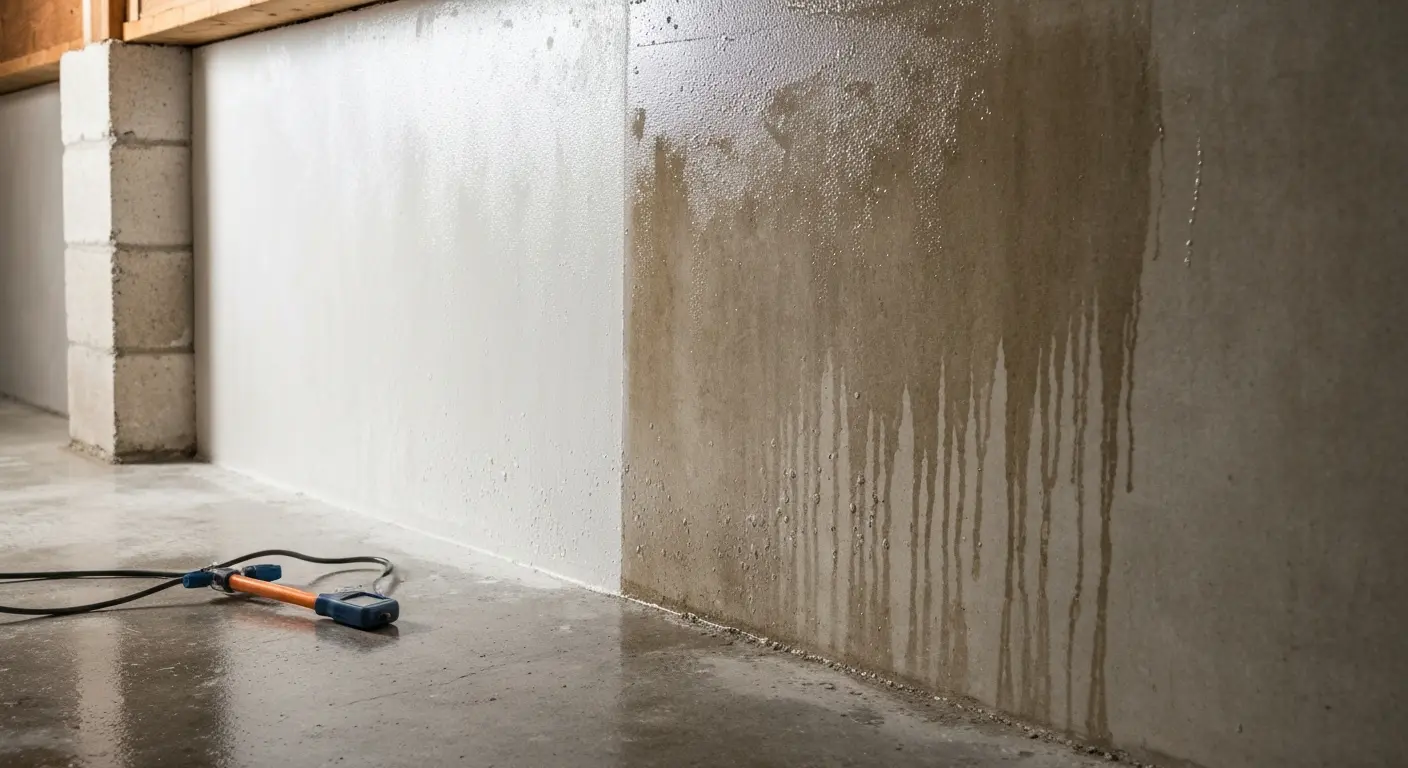
Mold prevention treatment applied to damp basement walls
Mold Prevention & Treatment
The Skagit Valley's wet climate creates ideal conditions for mold growth. We apply antimicrobial treatments after drying and offer preventive guidance on ventilation and humidity control to keep your space mold-free.
- Antimicrobial application to stop mold colonies
- Humidity monitoring and guidance
- Preventive recommendations for basements and crawlspaces
Why Local Expertise Matters
Mount Vernon's location on the Skagit River delta creates specific water challenges and seasonal patterns.
100-Year Floodplain Exposure
Downtown Mount Vernon and west-side neighborhoods sit in the mapped floodplain. We understand which areas flood most frequently and how water moves through your property during high-water events.
Winter Wet Season Response
Atmospheric rivers and winter rains test dikes and levees. We're trained to respond to surge events and coordinate with local emergency services during peak flood conditions.
Humidity & Mold Risk
Cool, damp conditions mean mold can develop rapidly. Our drying and treatment protocols are built for the Pacific Northwest climate to ensure complete moisture removal.
Insurance Coordination
Many homes and businesses here carry flood insurance or have higher deductibles. We document everything needed for claims and work directly with adjusters.
Building Types & Codes
Historic downtown buildings, modern residential construction, and commercial spaces all have different drying and repair needs. We tailor our approach to each building's structure.
15+ Years in Skagit Valley
We've responded to major flood events and routine basement backups across Mount Vernon and the surrounding floodplain. Experience here saves your time and money.
Getting Help in Mount Vernon
How to Reach Us
Water emergencies don't wait for business hours. Call us anytime—day or night—for immediate dispatch to your home or commercial property in Mount Vernon, downtown, west neighborhoods, or surrounding Skagit Valley areas.
Available 24/7 for emergency water damage response in Mount Vernon and Skagit County. Call now to report water intrusion, flooding, or leaks. Our crew arrives equipped and ready to begin extraction and drying immediately.
Service Areas Within & Around Mount Vernon
We serve the entire city of Mount Vernon, including downtown riverfront properties, residential neighborhoods on both the east and west sides of the Skagit River, and commercial corridors. We also respond to nearby areas of Skagit County.
- Downtown Mount Vernon – riverfront businesses and historic structures near the Skagit Riverwalk
- West Mount Vernon neighborhoods – near the river and 100-year floodplain
- East Mount Vernon – residential areas and commercial zones away from the river
- Skagit County floodplain communities – La Conner, Fir Island, Burlington, and surrounding areas
Whether your water damage is from river overflow, heavy rain, pipe burst, or sewage backup, we respond quickly no matter the location in Mount Vernon.
Frequently Asked Questions
What should I do immediately after water enters my basement?
Stop the source if safe to do so (shut off water main for pipe leaks), move valuables and electronics to higher ground, call us right away, and stay out of contaminated areas if sewage is involved.
How long does it take to dry out a basement or crawlspace?
Drying time depends on moisture content, space size, and humidity. We monitor moisture daily and adjust equipment accordingly, providing you with realistic expectations based on conditions in your space.
Do you work with insurance companies?
Yes. We document all work with photos and reports, communicate directly with your adjuster, and help you understand coverage limits and deductibles specific to water damage or flood claims.
Is mold always present after water damage?
Not always, but mold can begin growing within 24–48 hours in damp conditions. Our fast extraction and drying, plus antimicrobial treatment, are designed to prevent mold from starting in the first place.
What's the difference between clean and contaminated water?
Clean water from supply lines is the safest. Gray water (from appliances) and black water (sewage) are contaminated and require special handling, disposal, and surface sanitization per health codes.
Can I stay in my home during drying?
It depends on the extent and type of water damage. Contaminated water or extensive flooding may require temporary relocation. We'll advise you based on what we find during assessment.
DISCOVER WHAT OUR CUSTOMERS HAVE TO SAY ABOUT US
REVIEWS
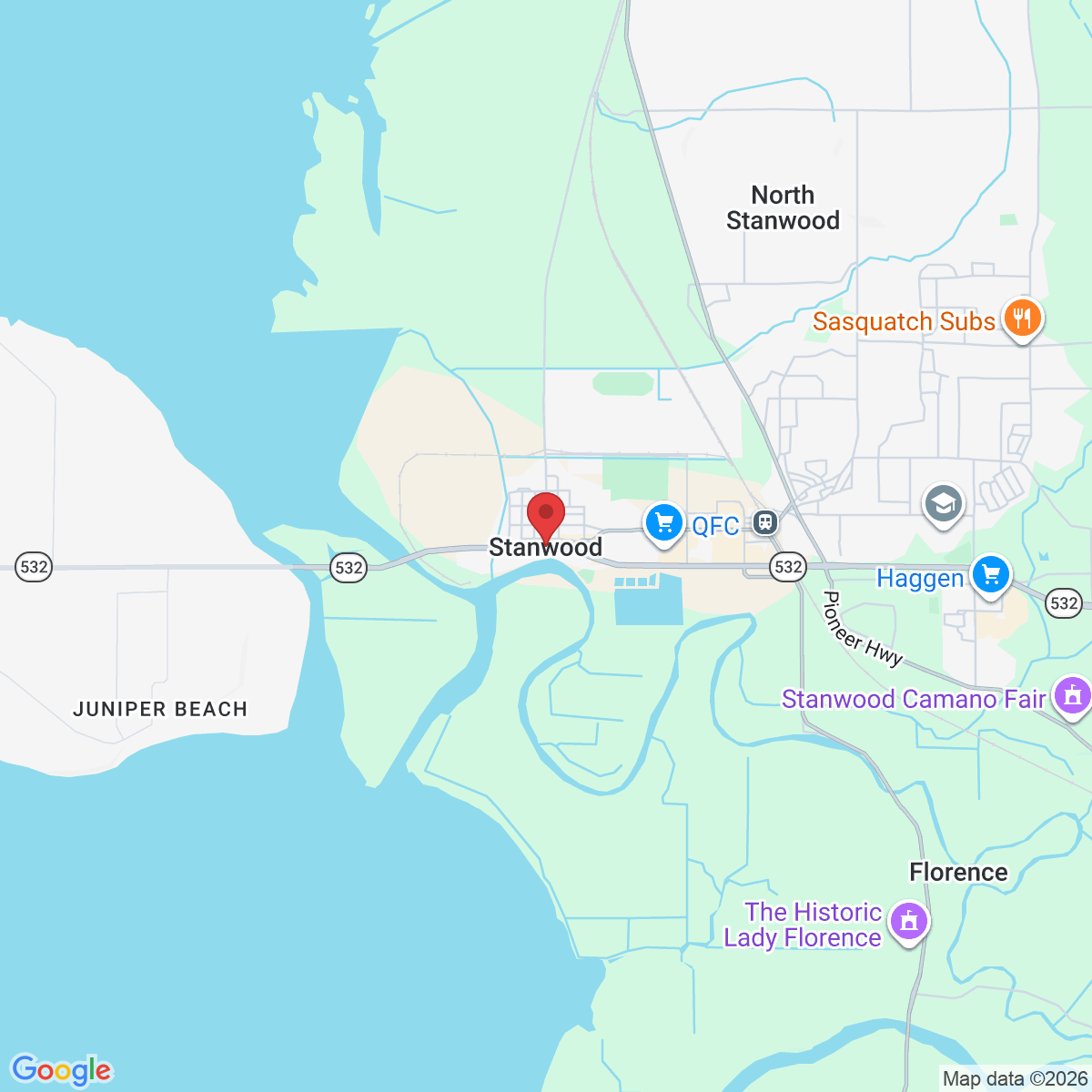
proudly serving these areas
Arlington, WA
Bellingham, WA
Burlington, WA
Mount Vernon, WA
North Everett, WA
Sedro Wooley, WA
Skagit County, WA
Stanwood, WA
READY TO take the next step?
get a free quote TODAY!
QUICK LINKS
our services
service areas
operating HOURS
Mon: 8:00 am - 4:00 pm
Tue: 8:00 am - 4:00 pm
Wed: 8:00 am - 4:00 pm
Thu: 8:00 am - 4:00 pm
Fri: 8:00 am - 4:00 pm
Sat: 8:00 am - 4:00 pm
Sun: 8:00 am - 4:00 pm