Water Damage Restoration in Stanwood, WA
Local Water Damage Restoration Expertise
In downtown Stanwood, water and flood damage happen fast. Our Water Damage Restoration Service responds to pipes bursting, heavy rain, and Stillaguamish River overflow affecting homes and multi-family units near Heritage Park and throughout the waterfront neighborhoods. Proximity matters when water invades—we know these neighborhoods, the building types, and which areas flood first. This page covers what we do, how we work, and why acting now prevents mold and structural loss.
How We Work
Fast, clear steps from water extraction to dry, safe homes.
Water Removal
We pump standing water and extract moisture from walls, floors, and insulation. Basements near the river drain fast. Multi-unit buildings need careful containment.
Assessment & Drying
We identify wet materials—drywall, subflooring, insulation—and deploy dehumidifiers and airflow fans. Moisture detection prevents hidden mold growth.
Cleanup & Restoration
Damaged materials are removed. Salvageable items are cleaned. Structural repairs and reconstruction follow. Your home is restored to pre-loss condition.
You'll always know what's happening next—and when.
Our Services
From emergency response to complete mitigation and reconstruction.
Water Extraction & Structural Drying
Pipe bursts, roof leaks, and Stillaguamish overflows flood crawlspaces, basements, and main living areas in older East Stanwood and downtown homes. We extract water using industrial pumps and establish airflow to dry walls and subflooring completely.
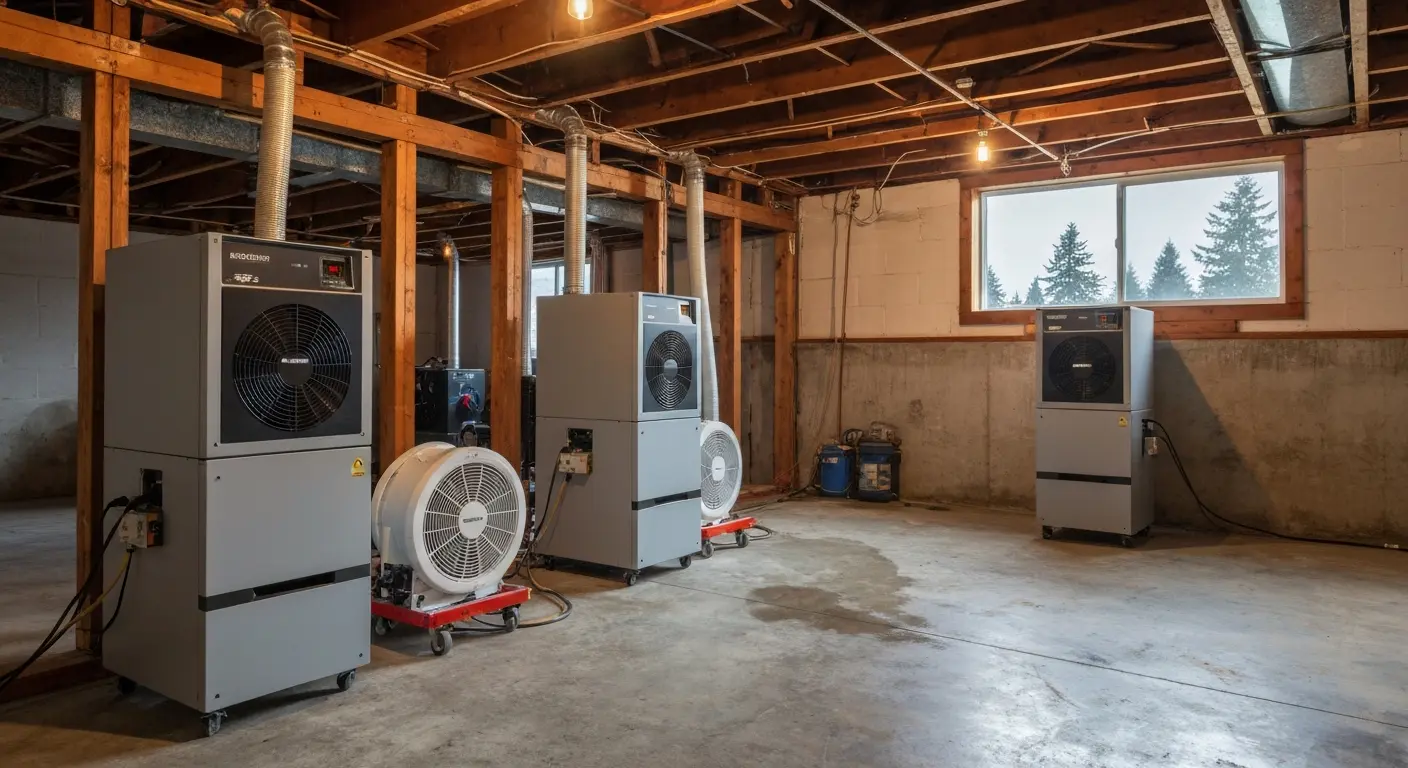
Industrial drying systems deployed in basement near Stillaguamish waterfront.
Multi-family condos and single-family homes require different containment strategies. We isolate affected units to prevent moisture spread through shared walls and ductwork.
Mold Prevention & Remediation
Pacific Northwest humidity creates ideal mold conditions. Within 24–48 hours of water damage, Cladosporium and Penicillium thrive in damp crawlspaces and around window frames. We prevent it through thorough drying and test affected areas if growth appears.
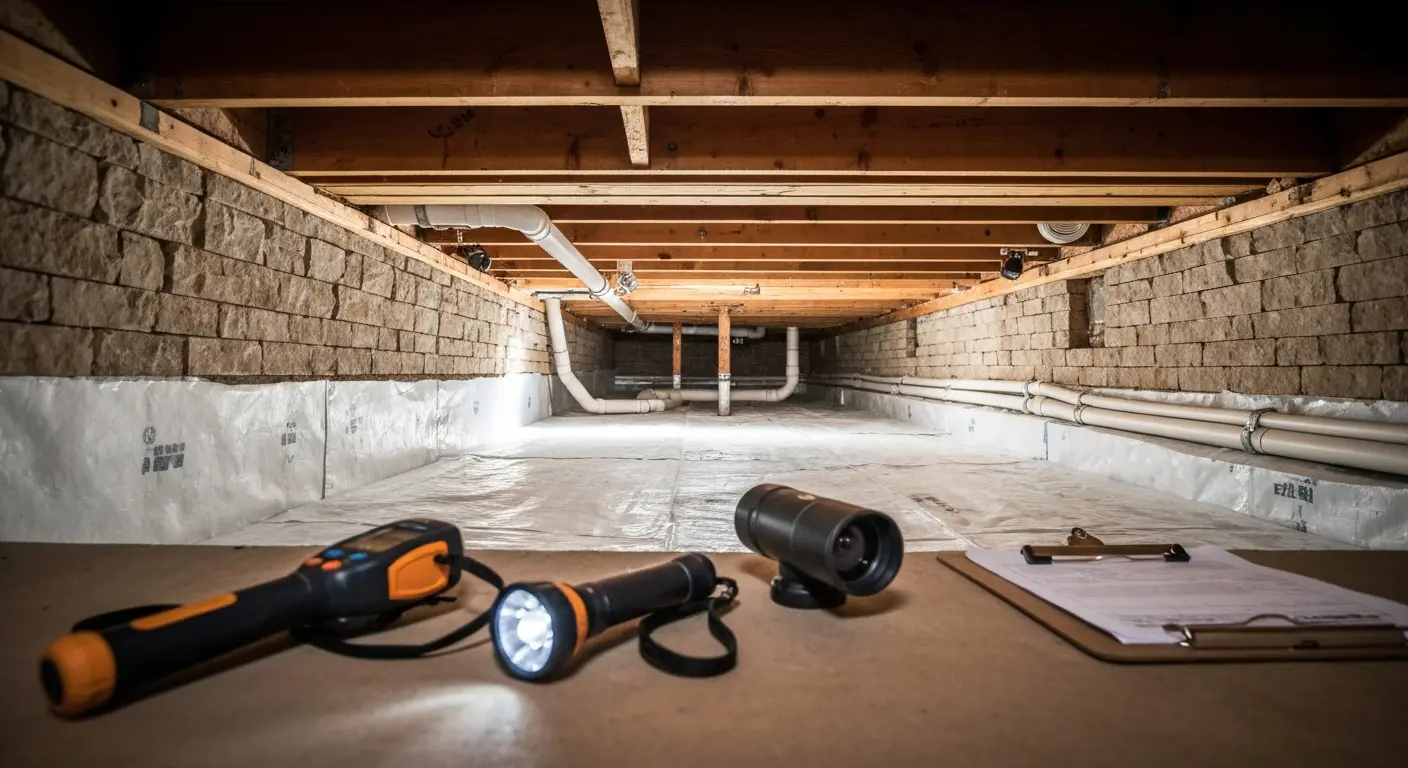
Crawlspace inspection in newer subdivisions northeast of downtown.
Early detection protects your family's health and preserves home value. Washington State requires mold disclosure when selling, so prompt remediation protects your investment.
Sewage Backup Cleanup
Storm drains and ditches clog during heavy rain, forcing sewage into lower-level bathrooms and laundry rooms. Biohazard cleanup requires certified technicians and EPA-compliant disposal. We handle removal, sanitization, and full restoration of affected spaces.
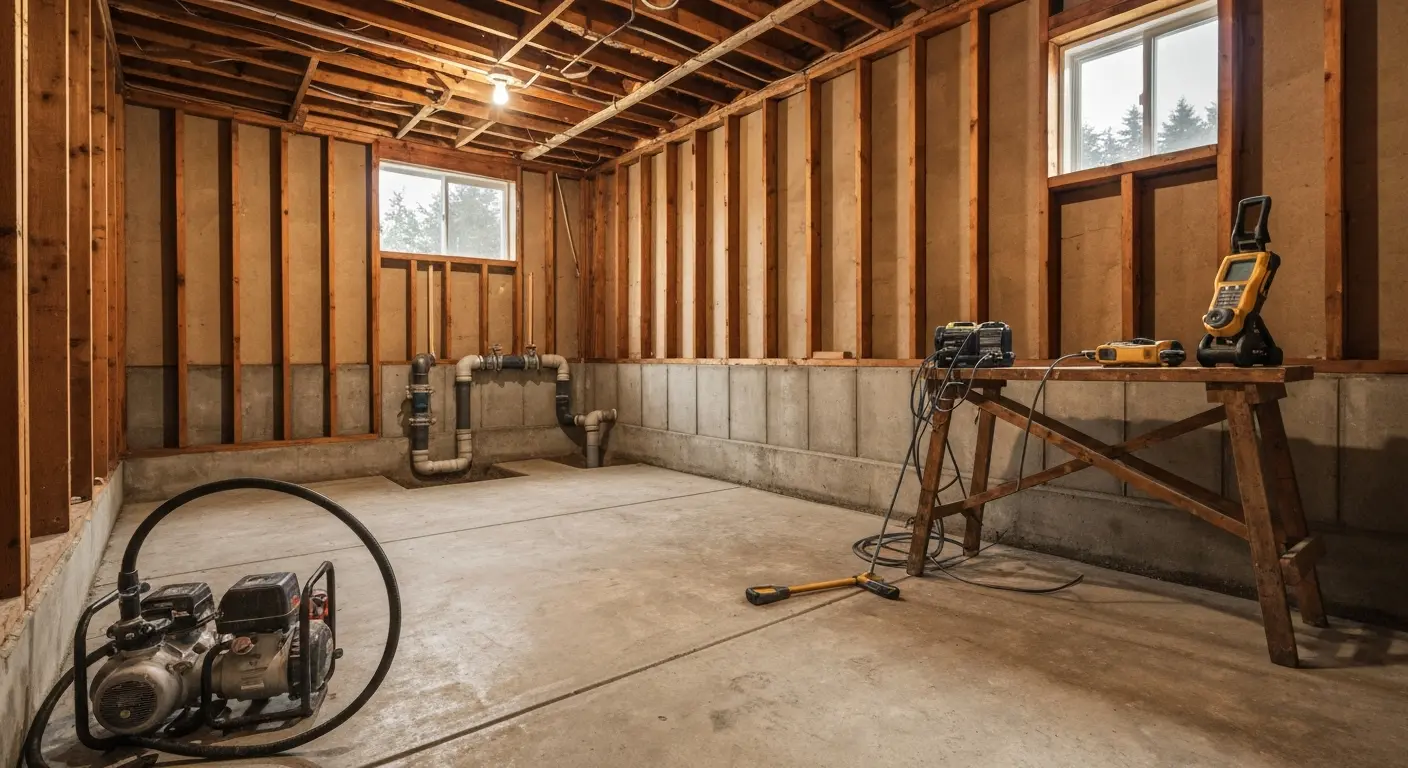
Basement restoration near storm drain areas in south Stanwood.
Stanwood's 100-year flood zone and aging drainage infrastructure mean backup risk is real. Our crews are certified in bloodborne pathogen safety and biohazard protocols.
Emergency Water Mitigation
First response wins. Broken pipes, burst water heaters, and sudden leaks spread damage in minutes. We stabilize the emergency, stop the water source, and begin extraction before secondary damage compounds.
Why Water Damage Spreads Fast in Stanwood
Location, climate, and building design create urgent conditions here.
Much of downtown Stanwood sits in a 100-year flood zone. The Stillaguamish River at the city's mouth means water breaches are possible during winter rains and spring snowmelt. Historic dikes and newer stormwater projects help, but basement and ground-level units remain at risk.
Pacific Northwest moisture—cool temps and frequent drizzle—means homes stay damp. Without rapid drying, mold colonizes within hours. Wood framing, insulation, and drywall absorb water and hold it. Crawlspaces and poorly ventilated bathrooms are hotspots.
Older homes near Heritage Park and the waterfront often have limited drainage. Newer suburban subdivisions northeast of town (Cedarhome area, east of 72nd Avenue) have better grading but face storm-drain overflow. Both need expert response.
Waiting hours or days for help means structural damage, mold, and tens of thousands in repairs.
Coverage Area
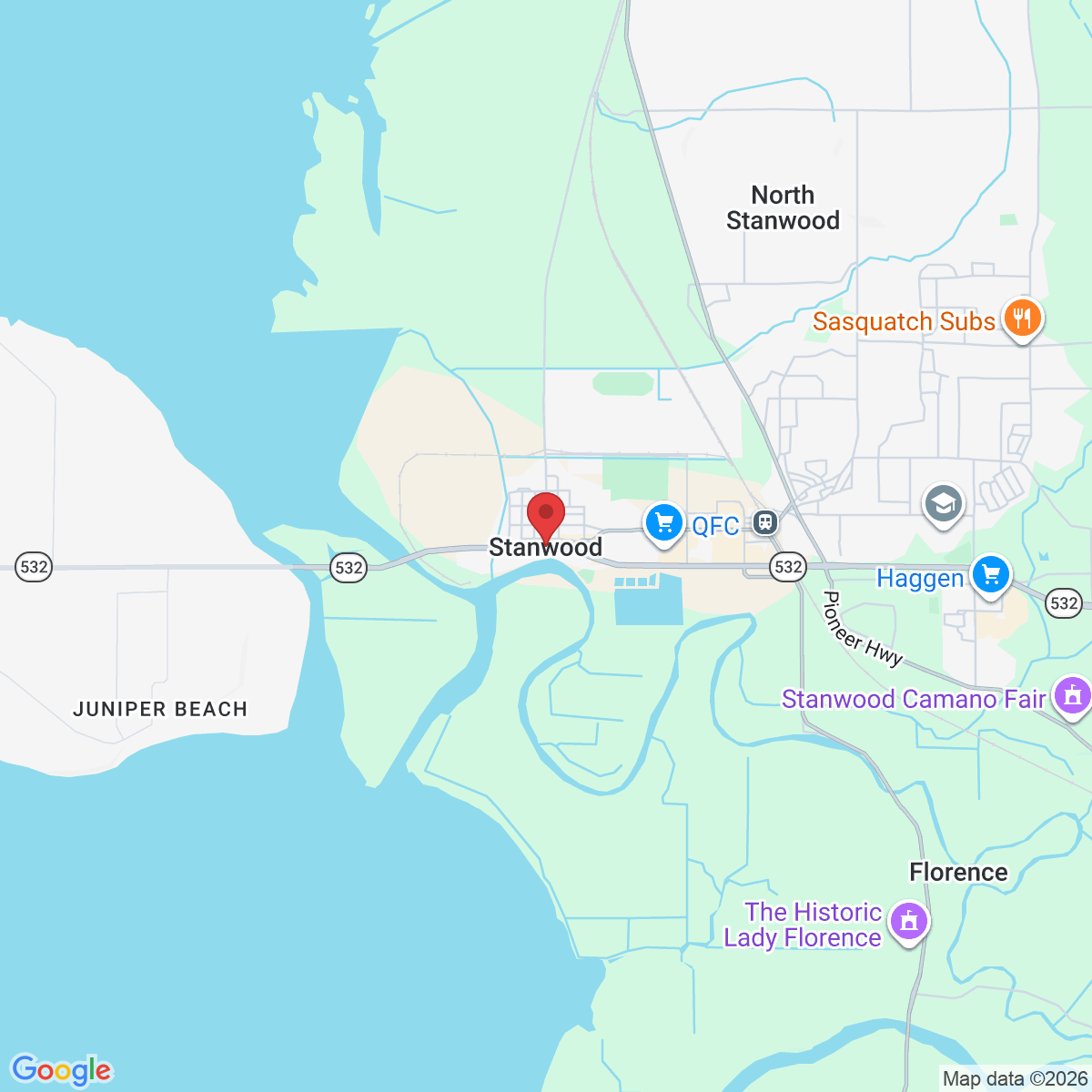
Serving Stanwood neighborhoods and Camano Island residents.
We respond to water emergencies across downtown Stanwood, East Stanwood (near State Route 532 and 72nd Avenue Northwest), and surrounding neighborhoods. Camano Island residents also call us—we serve both sides of the bridge.
Our local knowledge matters: We understand which neighborhoods flood first, which streets have poor drainage, and which buildings have shared HVAC systems that spread moisture. Heritage Park, the commercial district, and residential blocks all need different tactics.
Getting Here
From anywhere in Stanwood, we're minutes away. Emergency calls route to our crew first—not a call center. We dispatch from local staging, so response is fast regardless of location.
Frequently Asked Questions
What's the first thing I should do if water floods my home?
Stop the water source if safe (shut off main valve, turn off appliance), turn off electricity in wet areas, move valuable items to higher ground, and call us. Early action prevents structural damage and mold.
Does my homeowner's insurance cover water damage?
Most policies cover sudden, accidental water damage (burst pipes, appliance leaks). Flooding and gradual leaks usually aren't covered. We work directly with adjusters and handle claims paperwork.
Why does mold grow so fast in Stanwood?
Our cool, moist climate and high humidity create perfect mold conditions. Spores land on wet materials and colonize within 24–48 hours. Thorough drying is the only prevention.
Can I clean up water damage myself?
Small spills can be mopped up, but large water events involve hidden moisture in walls and subflooring. Professional extraction and drying prevent costly secondary damage. Sewage backups require certified biohazard cleanup.
What happens if I ignore water damage?
Untreated water weakens walls, floors, and framing. Mold causes respiratory problems and reduces home value. Structural repairs become expensive. Early response saves tens of thousands.
Are your technicians certified?
Yes. Our crew holds IICRC certifications in water damage mitigation, mold remediation, and structural drying. All work meets EPA and state compliance standards.
DISCOVER WHAT OUR CUSTOMERS HAVE TO SAY ABOUT US
REVIEWS
proudly serving these areas
Arlington, WA
Bellingham, WA
Burlington, WA
Mount Vernon, WA
North Everett, WA
Sedro Wooley, WA
Skagit County, WA
Stanwood, WA
READY TO take the next step?
get a free quote TODAY!
QUICK LINKS
our services
service areas
operating HOURS
Mon: 8:00 am - 4:00 pm
Tue: 8:00 am - 4:00 pm
Wed: 8:00 am - 4:00 pm
Thu: 8:00 am - 4:00 pm
Fri: 8:00 am - 4:00 pm
Sat: 8:00 am - 4:00 pm
Sun: 8:00 am - 4:00 pm